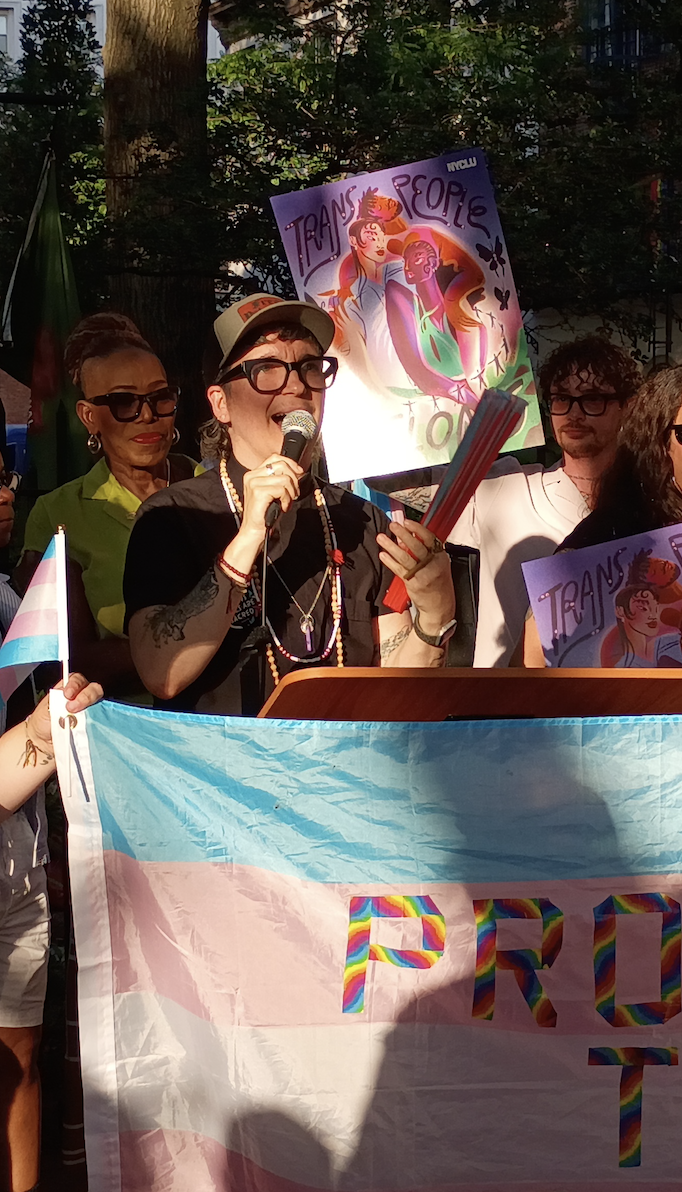
An Interview with Rev. Elæ Moss Benedetto, FIHR Spiritual Care and Fellowship Director
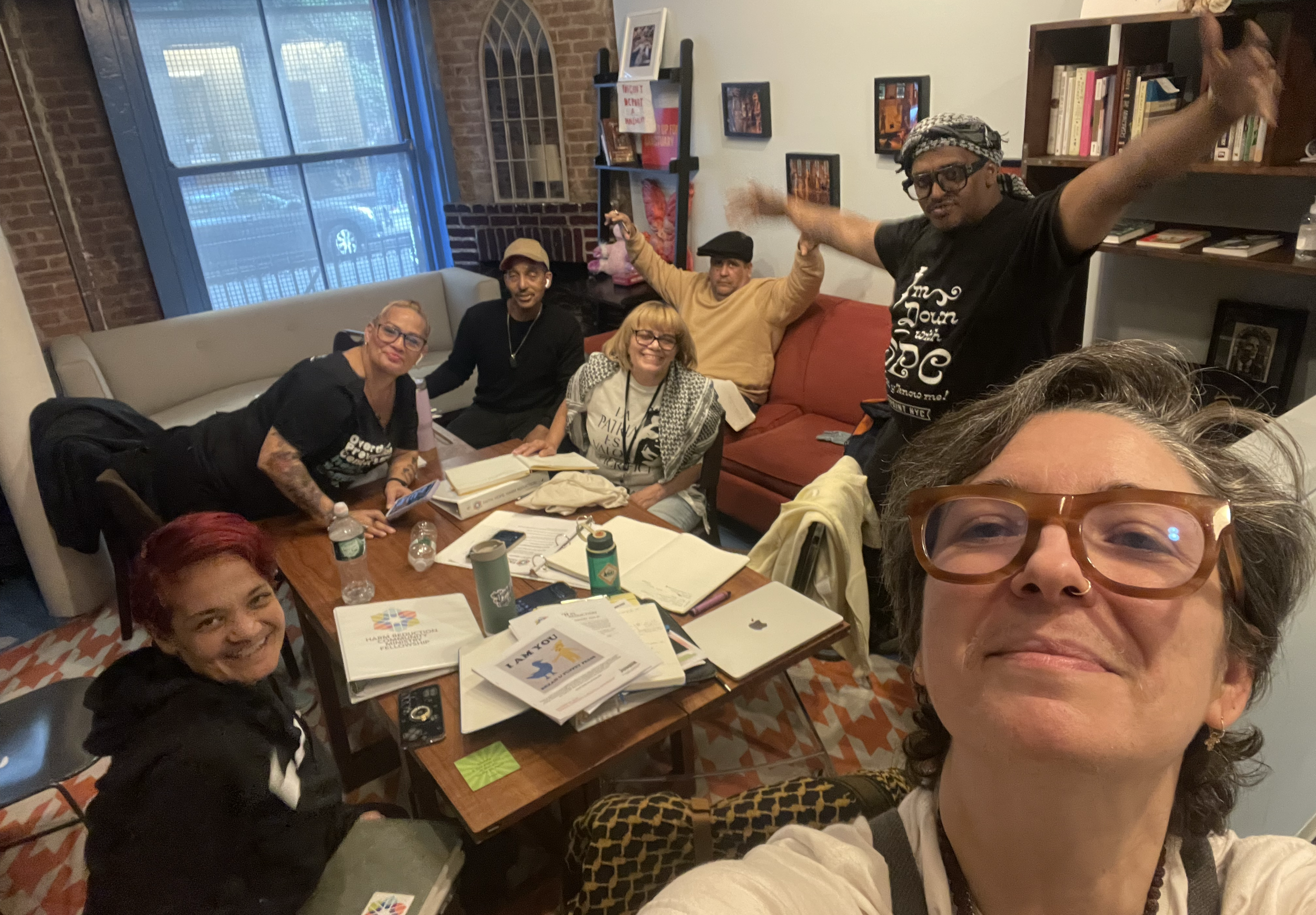
Last fall, Faith in Harm Reduction launched the first cycle of our Harm Reduction Community Ministry Fellowship - a 9 month-long leadership and formation program designed for individuals who are called to integrate harm reduction principles with spiritual care, community organizing, and justice work. This fellowship supports leaders in building spiritual responses to the intersecting issues of substance use, criminalization, and systemic oppression, while fostering spaces of belonging, safety, and dignity.
Fellows joined a cohort of 7 diverse leaders—clergy, chaplains, lay leaders, and harm reduction practitioners—committed to creating sacred spaces of care that resist stigma and honor the autonomy and resilience of all people.
Following is an interview with Rev. Elæ Moss Benedetto, FIHR Spiritual Care and Fellowship Director, reflecting on the completion of the first cycle.
Why is something like the Harm Reduction Community Ministry Fellowship important?
There are so many reasons, but firstly I want to pull out a few questions which live within and alongside this one, especially in this context: What is ministry? Who gets to do it? And when does the work of harm reduction become ministry… (and is it ever not?)
I often say that ‘lowercase m’ ministry is simply a way of framing the responsibility we all hold for each other – whereas the choice to move in the work of ‘capital-M’ Ministry is to take upon oneself the challenge of not only participating in that interdependent care but committing to modeling the constantly evolving ways ministers are needed in our world.
While the Harm Reduction movement has its roots in HIV / AIDS activism (and though it is largely associated with substance use interventions), as a proposal for collective care, harm reduction has much to offer the worlds of ministry and chaplaincy, across faith traditions – especially given the enormous harm vulnerable populations have suffered at the hands of religion in tandem with other forms of state violence.
A fellowship like this one is critical at this time for many reasons. Practically, it creates on the one hand a space for professional and peer Harm Reductionists to ground their service in an explicitly Ministerial framework, drawing on sacred practices and texts as well as faith based restorative justice principles; this encourages folks to not only deepen and clarify their offerings to impacted communities but also to consider how the prophetic and public voice of the minister can move the needle on policy, funding, and public opinion. Conversely, when bringing folks with more traditional divinity school, CPE or faith-based training into the room, it becomes a space to interrogate the on the ground skills, approaches, and capacities being a justice-led pastoral presence demands.
In our social and cultural landscape, there’s other lifting happening here, challenging norms around where and how ministers get “trained,” as well as what “kind of people” get ordained or certified through faith-based professionalizing programs as they currently exist. There is a deeper human question about who determines the nature of faith and its power structures that this fellowship pushes back against that is deeply needed at this time of polycrisis.
What is one thing you noticed in the first cycle?
It became pretty quickly clear that our monthly Love Feasts offered something lacking for many people in need of a harm reduction approach to fellowship and relationship building – in particular in addressing the extensive harm and stigma many have experienced in faith spaces.
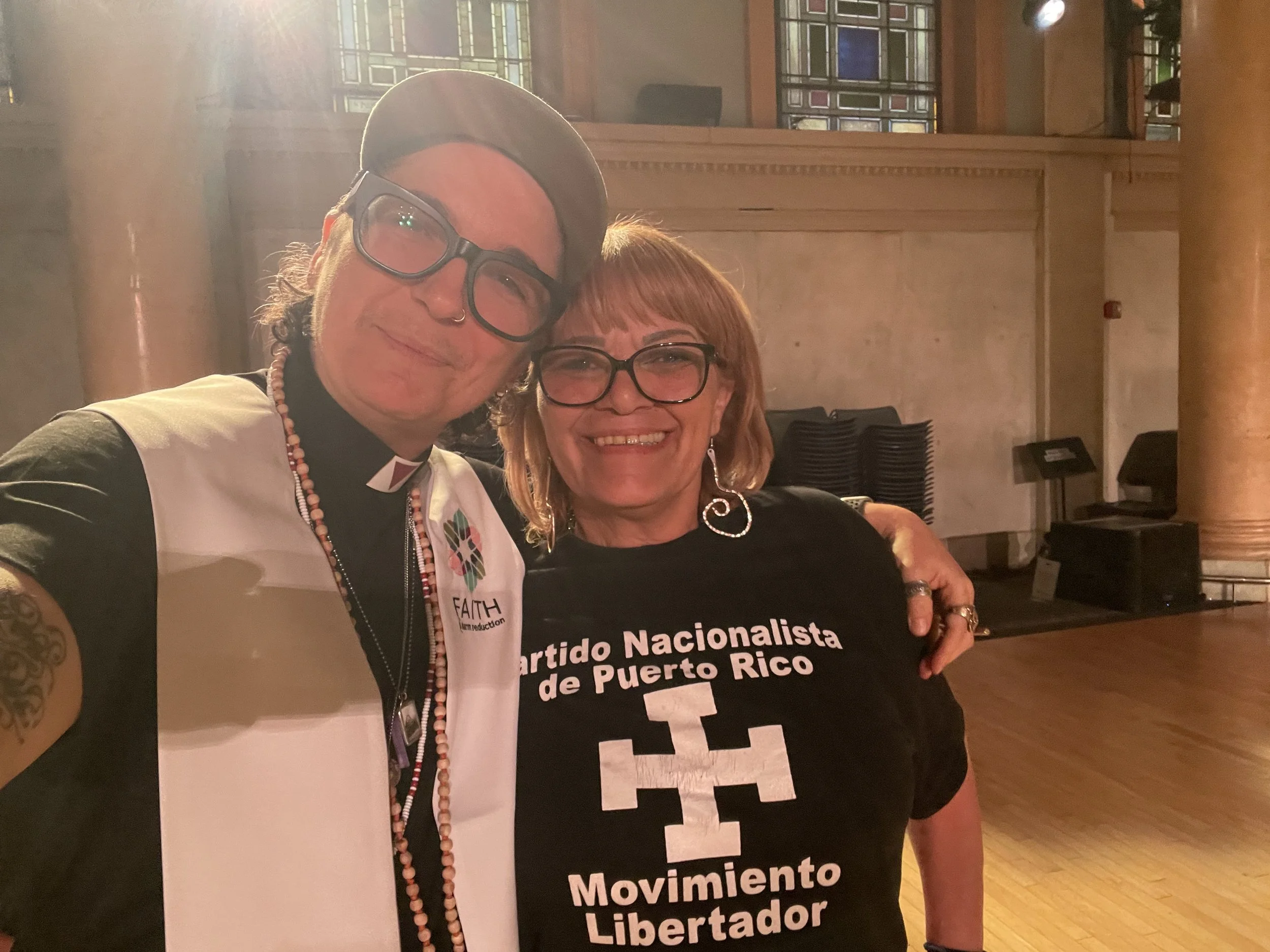
While on the one hand these events provide a perfect platform for our fellows to articulate and practice their public-facing ministry work – writing and sharing original words, music, and creative approaches to ritual – they also serve as a space to invite others into the crafting of sanctuary, again modeling possibilities for ministry and the role of spiritual life for many who may have been taught there was no room at the inn.
It meant a lot to see the intersectional aspects of our harm reduction work being connected to multiple communities around the table, where many tendrils of ongoing collaboration that now continue got seeded – people are hungry not only to be inspired and/or taught but to be invited in to share their wisdom, and the fellowship table is the perfect place for it.
For example, when we collaborated with folks doing mutual aid work in Jerusalem and Gaza, it was an incredible experience for our fellows. Folks loved it because it drew out the different ways of partnering in addressing empire and the harm that’s being done. We opened ourselves up to perhaps surprising ways of knowing and relating to other work and people – of understanding how our ministry might move in many spaces.
What do you look forward to seeing more of in the next cycle?
Something we began working on this year in our fellowship sessions were strategies for breaking cycles of connecting that have their roots in sameness. What about connecting in our differences? Or even through dislike of someone? What happens when a client, a collaborator, a faith leader, or someone we’re in a relationship with comes from a wildly different background than us - how do we still meet them where they’re at? Beginning to expand our pool of fellows to include more folks working across different applications of harm reduction ministry – substance use, sex work, unhoused support, trans care, sanctuary medicine for migrants, disability advocacy – will demand that we bring that not only to our work beyond our circle, but to our own table. The work begins at home.
How did the fellowship aim to support the array of people involved?
People came in with different capacities and desires – which is something that more radical, justice seeking ministry and chaplaincy programs have the flexibility to not only allow for but encourage. Rather than creating a one-size-fits-all curriculum, I created a survey to customize both collective and individual materials, sessions, and training opportunities based on the needs and wants of this cohort… being, in particular, mindful of different comfort levels where specifically religious content was concerned. This cycle was shaped by this group’s requests, in tandem with responding directly to demands and challenges this cohort’s work presented over the course of this year.
What’s one hope you hold for a world where more people are trained in ministry from a harm reduction lens?
I truly believe that we are in a pivotal moment where not only do we need each other more than ever, but we have more of an opportunity to tip the scales of systemic change, utilizing the connective tissues of technology to amplify and disseminate the work we do to bodies and geographies that traditionally did not have access to the sorts of change-making that happens in places like New York. Access to dreams is harm reduction, and seeding the sort of hope that a harm reduction ministry makes possible is the stuff of future dreaming – it goes far beyond the communities we might associate with this work. Just like the battle for trans rights is in fact a site of the tender, fearful expansion of possibility for so many who’ve been taught their own identities are delimited by empire’s claims on scarcity, harm reduction is a ministry for everyone who seeks to believe that they can ask for – no, demand – more. More of ourselves, more of each other, more of our systems, and more of faith. And ultimately, that it’s up to us to form the sanctuaries and sacraments we need to survive what’s ahead.