
Why I Do Harm Reduction Ministry - Rev. Mathis
I did not come to harm reduction because it was easy. I came to it because I kept meeting people my faith told me to love—and realizing how often the church did not quite know what to do with them.
I remember standing with a mother after her son overdosed. She was not asking for answers or doctrine. She looked at me and asked a single question: Does my child still matter?
In that moment, I had a choice. I could offer distance, or I could offer presence. I chose presence.
Again and again, I encountered people who were alive but barely held by the systems meant to save them—warned, shamed, prayed over, or written off, but rarely walked with. Over time, I began to understand something that changed me: if our faith only works for people once they are “better,” then it is not good news. It becomes a reward system.
Harm reduction became, for me, a spiritual practice. It is a way of saying with my whole body that a person’s life is worth protecting right now, not someday.
Across faith traditions, we may speak differently, but our values overlap more than we often admit. We believe life is sacred. We believe suffering deserves response, not punishment. We believe love must show up with hands and feet—not just opinions or well-meaning phrases.
Every tradition I know carries this teaching in some form: do not turn away. Do not cross the road. Do not harden your heart. Do not make worthiness a prerequisite for care.
Harm reduction is not about what someone should do. It is about what we will do when someone is struggling to survive. And the truth is, faith communities are already doing this work—when we feed people without conditions, when we sit with grief without trying to fix it, when we choose compassion over certainty, and when we serve without requiring theological agreement or commitment.
Right now, people are dying—often quietly and often alone. The most dangerous force in this moment is not substances themselves, but isolation, shame, and the belief that care must be earned.
We are at a crossroads. We can protect our comfort, or we can protect life. We can wait for people to change, or we can show up while they are still breathing. Harm reduction asks a simple and faithful question: What would love do right now?
My message is this: we do not have to change our theology—only our posture. We do not have to be experts—only willing to show up. We can learn, partner, speak life, refuse stigma from the pulpit, and bless the work that keeps people alive long enough for hope to catch up.
Every life saved is a future still possible. I believe, with everything in me, that this is holy work—and that faith was made for moments like this.
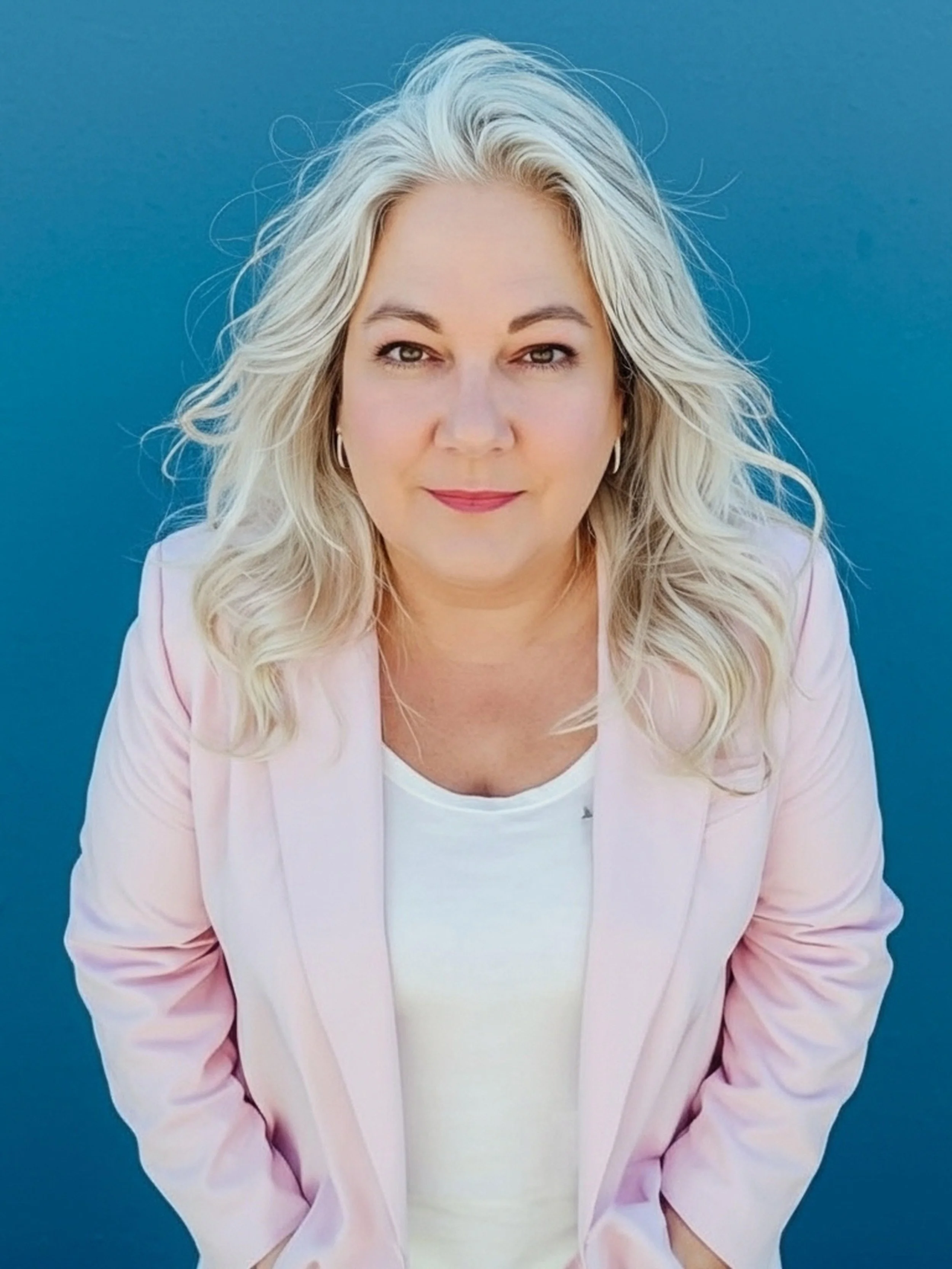
Rev. Michelle Mathis