
An Interview with Aggie Dennett Harmon, Founder of Nange Healing and Harm Reduction Center
Aggie Dennett Harmon is a Ugandan pastor, writer, human rights defender, harm reduction advocate, sex worker, person who uses drugs, and survivor of sexual violence. She founded Nange Healing and Harm Reduction Centre, which works with communities across Uganda. The Nange Movement grew from survivor led work in the sex work community, centring trans survivors of sexual violence and trans and gender diverse sex workers. The center offers peer support, healing practices, harm reduction, and community empowerment.
What led you to start Nange Healing and Harm Reduction Center?
After I survived sexual violence, I lived with a lot of shame and pain. I tried to end my life and survived an overdose more than once. My chosen family stood with me, but I still felt I had no one to cry to about everything I was carrying. So I began putting my pain on paper, and I wrote Faith That Liberates.
The Nange Movement grew from the experiences of trans survivors of sexual violence and trans sex workers. As the movement grew, we began to understand that many of us were using substances to cope with trauma, escape it for a while, or simply get through another day in a community that had already decided who we were.
Proceeds from Faith That Liberates helped establish Nange Healing and Harm Reduction Centre, and book sales continue to help sustain the centre and its work.
What’s one thing you’re proud of about what’s happening at Nange?
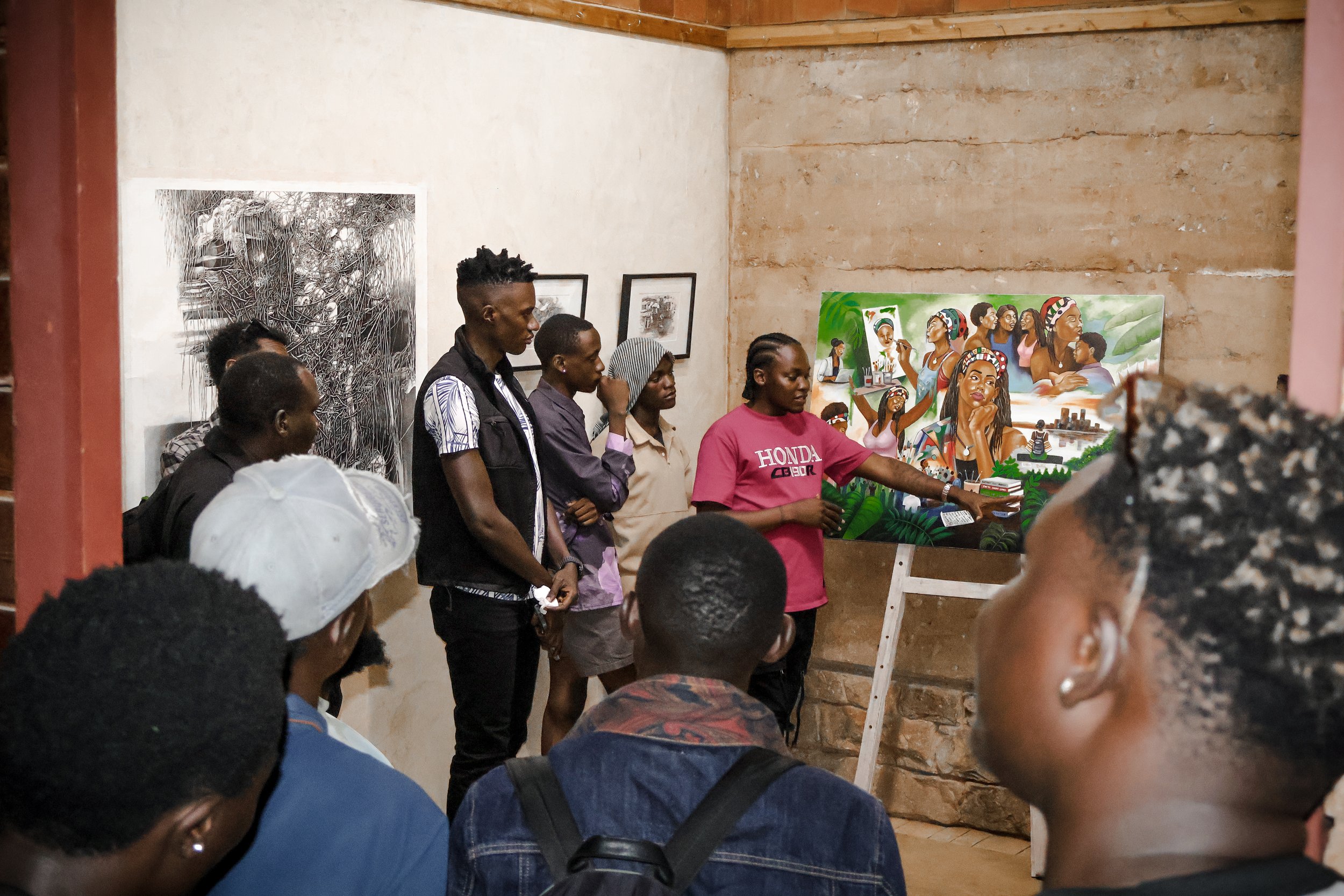
I am proud that Nange has grown into a community space built by survivors for survivors. We create room for people to support one another, share what they know, and take part in shaping the work. Through peer support, healing practices, harm reduction, and creative activities, we are building care together.
How do your own identities and experiences - including being a pastor - support the work you do in community?
All of who I am shapes how I do this work. I am a Black trans woman, a sex worker, a person who uses drugs, a survivor of sexual violence, a human rights defender, and a pastor. I know what it feels like to be judged before anyone listens, so I try to meet people with respect and without assumptions. I am still a pastor, my faith draws me closer to people and the realities they are living. For me personally, ministry means listening, showing up, and caring for people as they are. My faith, human rights work, and harm reduction work meet in my commitment to dignity and care.
What does meaningful solidarity mean to you across communities who are stigmatized and/or targeted through oppressive policies?
Solidarity to me means listening to one another and showing up in practical ways. Our experiences may overlap, but they are not all the same. We must stand together without speaking over each other or deciding whose pain matters most.
It also means challenging the policies and systems that punish or exclude our communities, and making sure the people most affected can speak and lead for themselves. Solidarity should help all of us live with more dignity, safety, and access to care.
Where do you turn to find your own sustenance, courage, and nourishment in sustaining the work you do?
I turn to my faith, chosen family, and the people in my community who remind me that I am not alone. Writing and storytelling help me make sense of what I have lived and stay connected to what people want the world to hear.
I am also learning to listen to my body and make room for rest. Caring for myself is part of sustaining this work.
What’s one thing you’ve learned through practicing harm reduction?
I have learned that people deserve care without first having to prove they are ready to change. Harm reduction starts with listening, meeting people where they are, and respecting their dignity and choices.
I have also learned not to assume I already know someone’s story. Sometimes listening is where care begins.
Tell us about your latest campaign at Nange - Behind Every Substance is a Story. What do you hope it will illuminate?
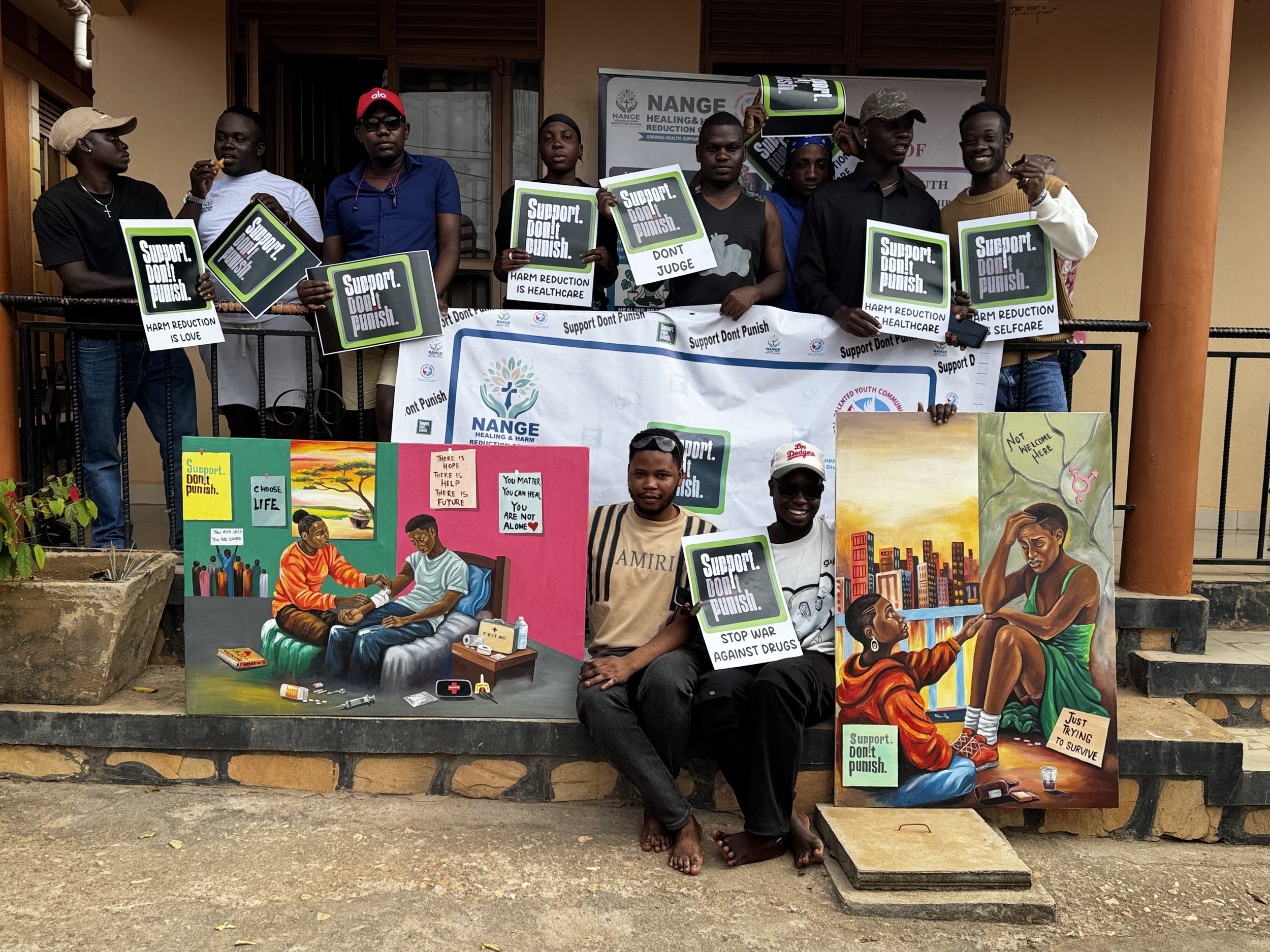
“Behind Every Substance Is a Story” is about changing the narratives that portray people who use drugs as criminals, failures or immoral . We want people to ask why we are using substances and what we may be surviving, instead of judging us and reducing us to drug use.
We hope the campaign helps people see us beyond the substances that we are people with relationships, dreams, talents, knowledge, and so much to contribute.
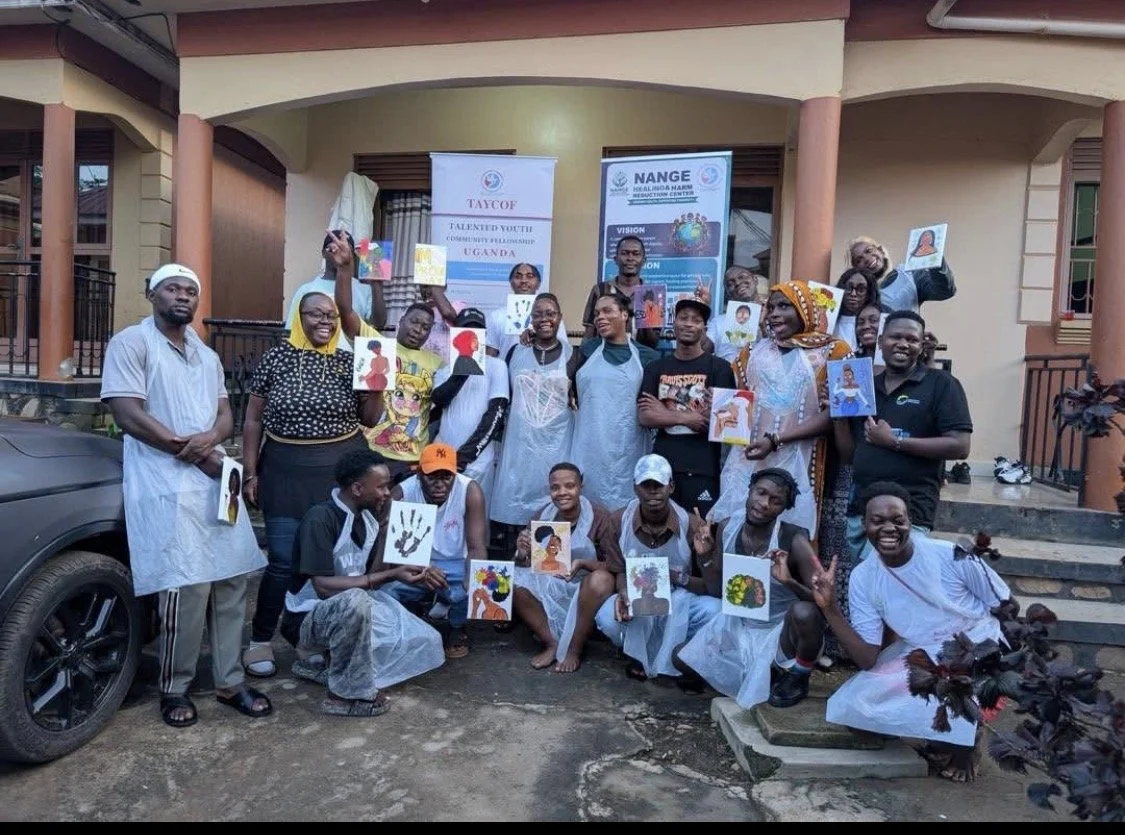
We are many amazing things, and every person has their own story. We also hope these stories can help reduce violence against people who use drugs in our communities and influence policies and policing practices, so people are met with care and dignity rather than punishment.
Anything else you want to share?
I want people to know that survivors can become leaders, and that our stories can lead to community action. My faith, pastoral work, human rights work, and harm reduction work are all part of my commitment to care for people and honour their dignity.
Behind every substance is a person, with a story worth hearing.
Follow Nange Center